I’m Khushbhu — also known as Khush or Khushi.
Born in India within a Kalbeliya Sapera community (an Indigenous nomadic tribe of low-caste status in Indian society, often referred to as the “gypsies of India”), I am shaped by the half Adivasi Dalit, nomadic tribal ancestry of my motherline. I walk a path few from my lineage have walked. As the first woman in my community to build a life in Australia and access ‘formal’ education, I hold this privilege with responsibility … fuelling my commitment to justice, representation, and embodied freedom through dance, yoga, storytelling, art, and thoughtful exploration.
MY CORE OFFERINGS:
BELIYA DANCE
ADIVASI DALIT YOGA ( ADA YOGA )

What makes ADA YOGA different and important?
-
What “Adivasi” Means
“Adivasi” is a modern Hindi and political term that literally means “original inhabitant” (adi = ancient/original; vasi = dweller/inhabitant). It is widely used across India and South Asia as a self-identification for Indigenous tribal communities whose roots, ways of life, and survival are deeply connected to land and forest.
The word Adivasi holds important social and political weight. Unlike older colonial or casteist labels (like “tribal,”“aboriginal,” or “primitive”), Adivasi asserts identity, dignity, and the truth that these communities have been the first caretakers of these lands long before modern states, empires, or caste hierarchies existed.
Why We Use It
We use Adivasi to reclaim this rightful identity — to remind the world that we are not outsiders, but original peoples whose wisdom, culture, and survival have been systematically erased, exploited, or romanticised for centuries.
Naming ourselves as Adivasi is an act of visibility and resistance: it asserts our continued presence, our right to land, self-determination, and to speak for ourselves — not be spoken for.
-
What “Dalit” Means
“Dalit” is a political and social identity that means “broken” or “oppressed” in Sanskrit. The word has been reclaimed by communities historically forced to the bottom of India’s rigid caste system — communities once called “Untouchables.”
Dalit does not appear in ancient Vedic texts as a self-identity; instead, it emerged through anti-caste and social justice movements to name the structural violence of caste apartheid — the reality that millions have been systematically excluded, stigmatised, and denied basic human rights for centuries.
Why We Use It
We use Dalit as an act of defiance and truth-telling. It calls caste oppression what it is — not just “backwardness” or “poverty,” but a deliberate system of social exclusion and exploitation.
Naming ourselves Dalit makes the invisible visible. It connects us to a long legacy of resistance, from Dr. B.R. Ambedkar’s vision of annihilating caste to everyday acts of survival and collective struggle.
Using Dalit today is a reminder that this oppression is not just history — it shapes who is seen, safe, or silenced in India and globally. It demands that those who benefit from caste-based privilege confront it — and that spaces like yoga, wellness, and spirituality do not remain silent.
-
What the “A” Stands For
In A.D.A Yoga, the last “A” stands for Awareness, but it doesn’t stop there.
A also stands for Action, Alliance, and Ancestral Memory — four living truths that move together.
Awareness means recognising that caste oppression, land loss, and cultural erasure are not just history — they are living systems that decide who is included, who profits, and who is pushed out of yoga and wellness spaces today.
Action means that awareness cannot stop at words — it must become repair, accountability, and real shifts in power, leadership, and resources.
Alliance means standing alongside Adivasi and Dalit communities not as charity but as true partners — sharing responsibility, building trust, and walking the path of collective healing together.
Ancestral Memory reminds us that this work is not new — it is rooted in the survival, resistance, and wisdom passed down through generations. It calls us to protect what remains, remember what was stolen, and honour the stories that still breathe in our bodies and lands

ADA Yoga reclaims yoga by centring Adivasi and Dalit voices — bringing truth, justice, and ancestral memory into yoga and wellness spaces rooted in Indian and South Asian culture.
Yoga that ignores caste and marginalised groups isn’t liberation — it’s spiritual bypassing.
We confront yoga’s shadow through lived stories, critical awareness, and embodied action.
This is yoga from the margins — raw, from the roots, and staying accountable.
If you practice, teach, or profit from yoga, this isn’t just an invitation.
It’s a responsibility.
ADA “Yoga”
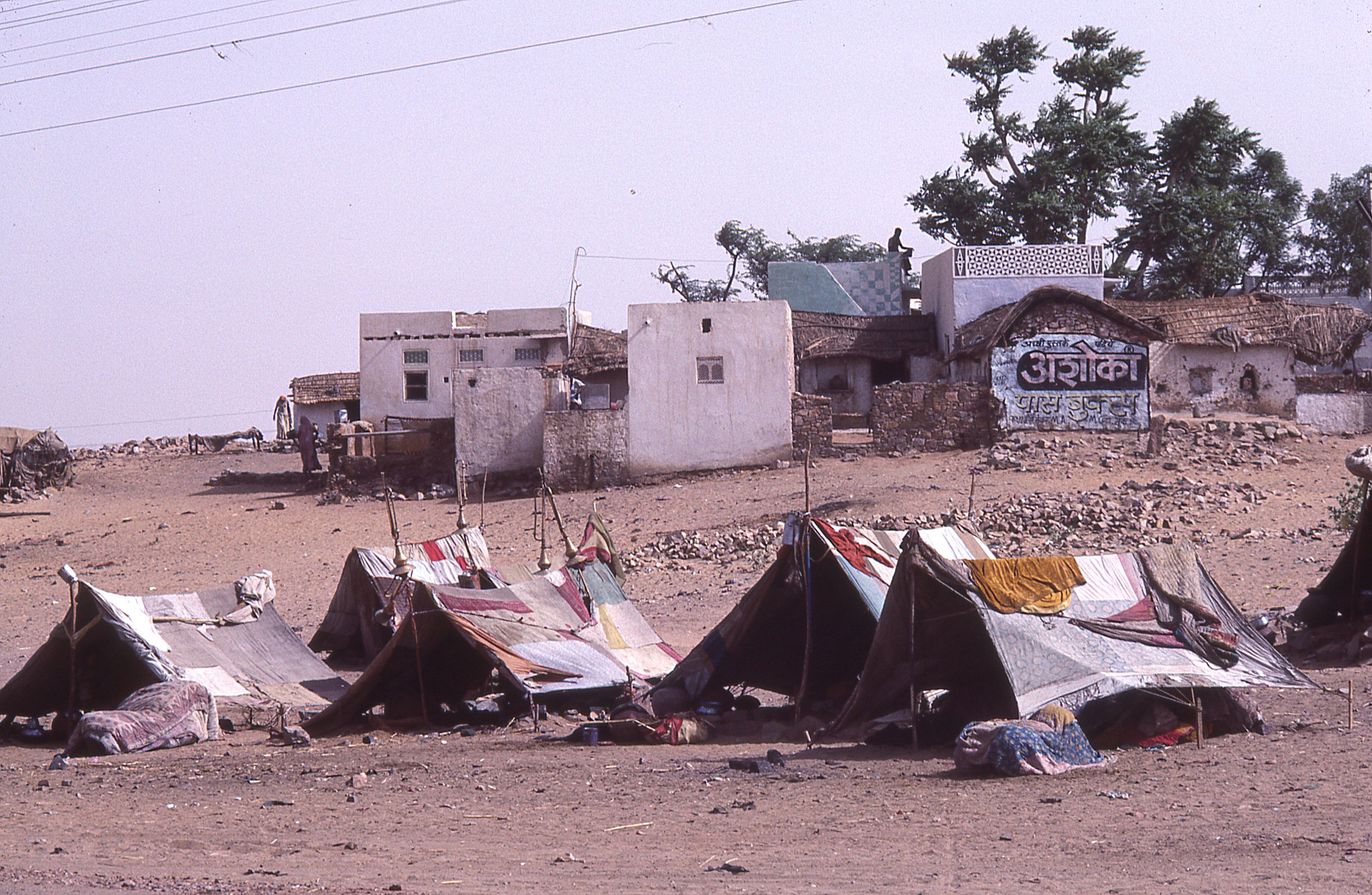
Yoga and social change related services led by Adivasi & Dalit.
Guest speaking
Rooted in lived Adivasi and Dalit experience, these sessions invite students and teachers to explore how caste, identity, spiritual access, and folk wisdom shape yoga. Designed to be applicable for YTTs and programs related to yoga and the wellness world, they bring caste-aware education into yoga and wellness spaces with clarity and care — offering a vital step toward more ethical, inclusive spaces, where practices of South Asian, Indian origin are prevalent.
To book Khushbhu Adivasi as a guest speaker here.
Workshops
Immersive hourly workshops for yoga studios and wellness spaces.
Blending cultural context, community dialogue, and debrahmanising /decolonising practice along with embodiment in postures — these sessions invite embodied awareness and critical engagement with caste, identity, and the roots of yoga led from the margins.
These workshops are held independently too online, to join, contact here.